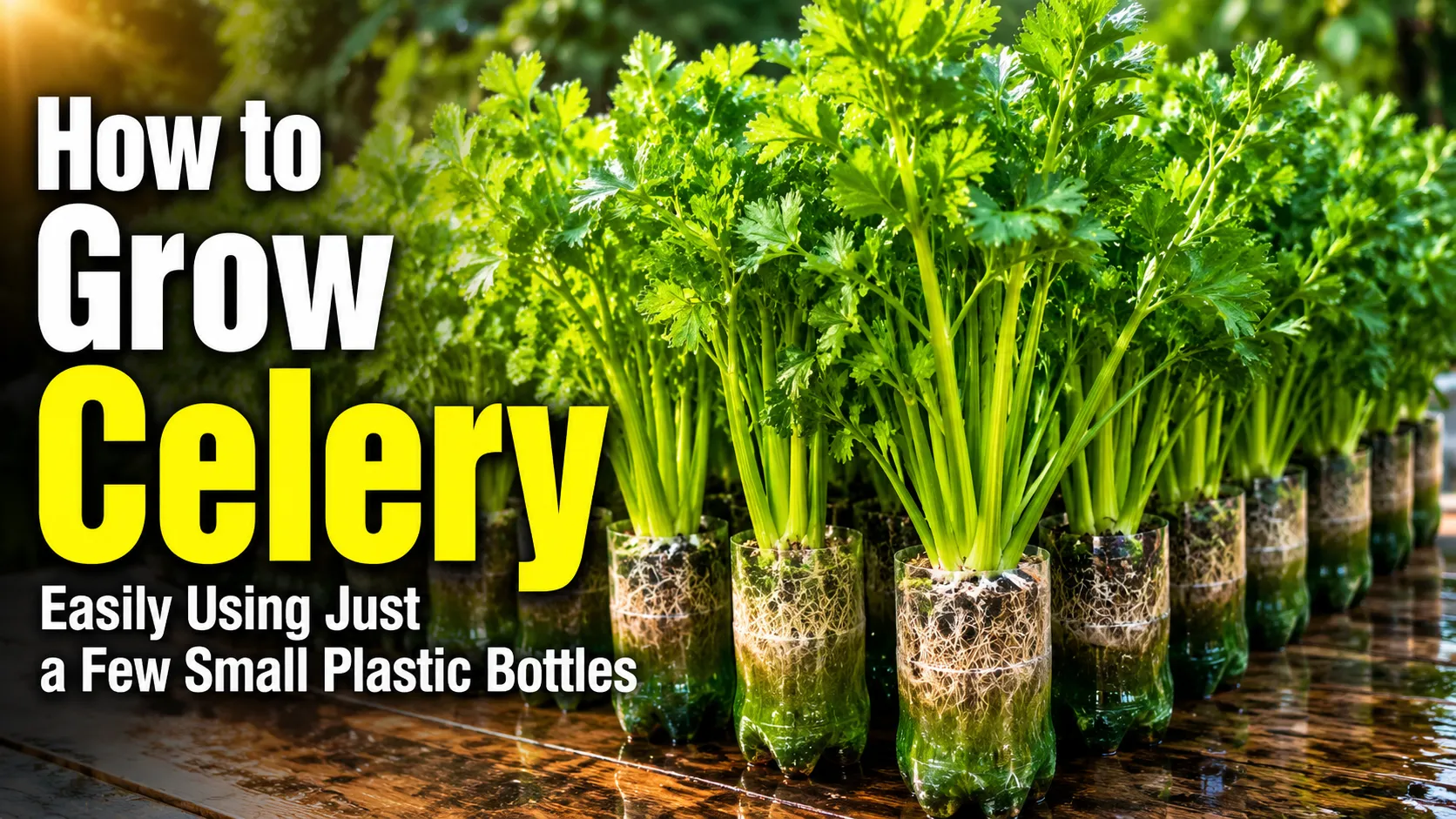
How to Grow Celery Easily Using Just a Few Small Plastic Bottles
There’s a funny little joy that comes from regrowing vegetables from kitchen scraps.
Especially celery.
One rainy afternoon last spring, I tucked a few celery bases into some old plastic bottles I almost threw away. I wasn’t expecting much. Maybe a few pale leaves. Maybe nothing at all.
A couple weeks later, tiny bright green stems started pushing up from the center.
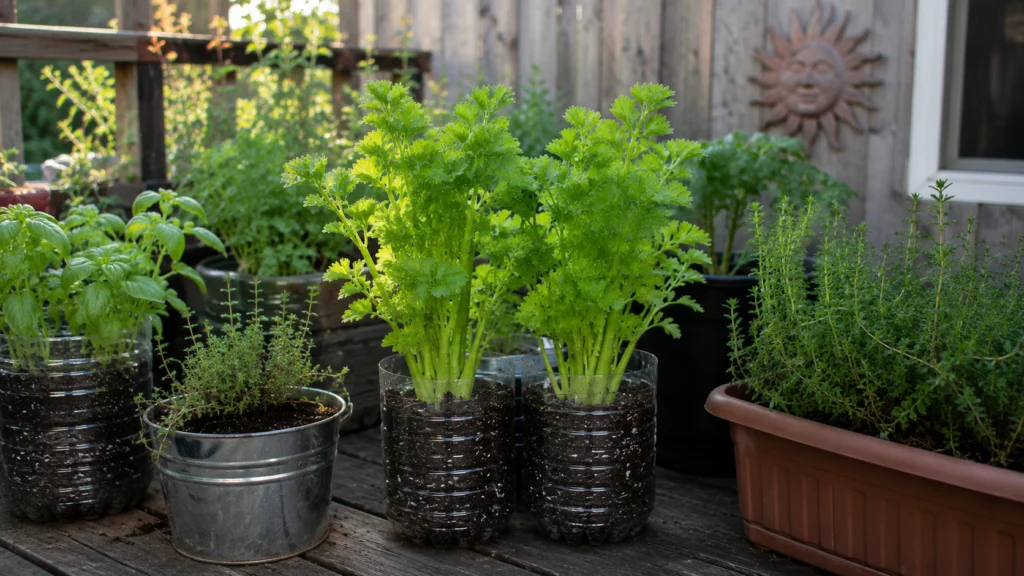
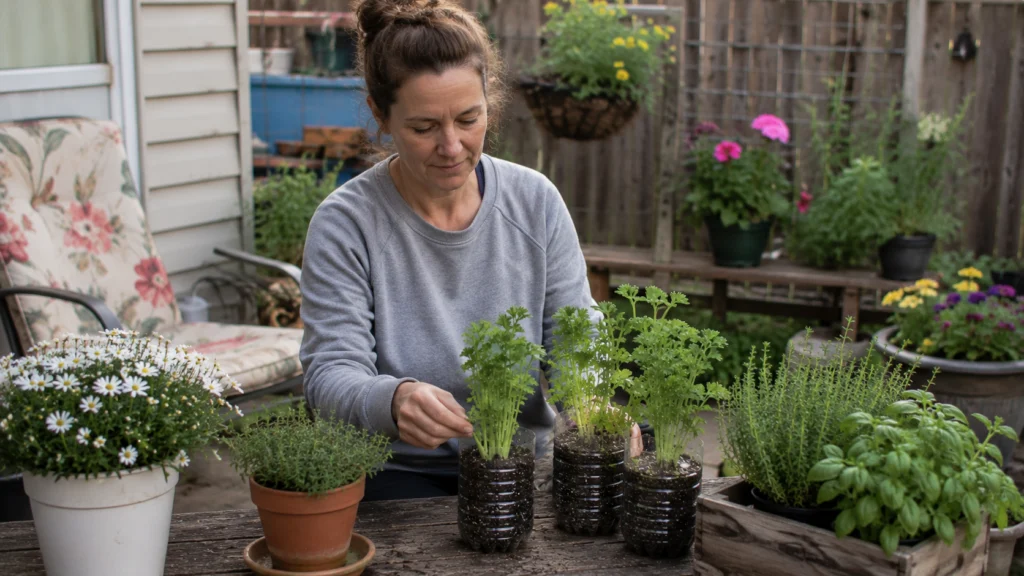
Now I keep a row of celery growing beside my patio herbs almost year-round.
If you’ve never tried growing celery this way, it’s honestly one of the easiest little backyard projects you can start — especially if you love container gardening and making use of things already around the house.
And the best part?
You really only need a few small plastic bottles.
Quick Answer
Yes — you can grow celery easily in small plastic bottles by regrowing the base of store-bought celery in water and later transferring it into soil. It’s beginner-friendly, low-cost, and perfect for patios, balconies, or small backyard gardens.
Table of Contents
- Why Plastic Bottles Work So Well for Celery
- What You’ll Need
- How to Start Regrowing Celery
- Transferring Celery Into Soil
- Caring for Bottle-Grown Celery
- Common Mistakes to Avoid
- Why I Actually Love This Method
- FAQ
- About Sophia
Why Plastic Bottles Work So Well for Celery
Plastic bottles hold moisture surprisingly well, which celery absolutely loves.
Celery is one of those plants that gets dramatic fast when it dries out. In raised beds during summer, mine can wilt by afternoon if I forget watering for even a day.
But bottles create a small, controlled environment. The soil stays evenly damp longer, especially in mild spring weather.
They’re also perfect for:
- small patios
- apartment balconies
- sunny kitchen windows
- backyard corners
- beginner gardeners
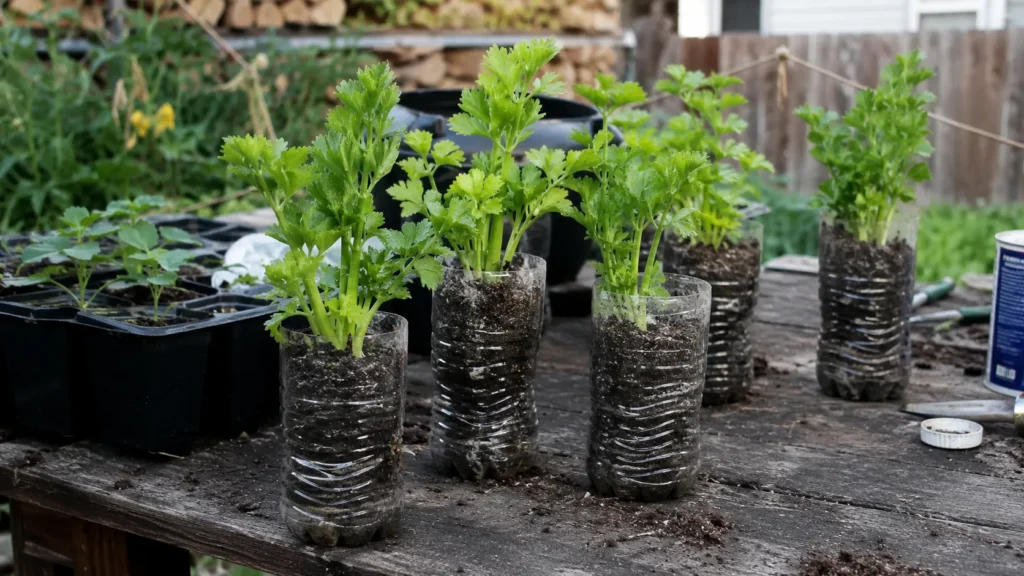
I usually cut bottles horizontally for shallow celery roots, though taller bottles also work beautifully.
And honestly, I kind of love the imperfect look of reused garden containers tucked between terracotta pots.
What You’ll Need
You don’t need fancy supplies for this.
That’s part of the charm.
Simple Supplies
- 2–4 small plastic bottles
- celery base from the grocery store
- potting soil
- scissors or garden knife
- water
- small drainage holes
I usually save clear water bottles because they let me check moisture levels without digging around in the soil.
One little thing I learned the hard way:
Always add drainage holes first.
My first celery bottle turned into a swampy mess after a heavy rainstorm.
Choosing the Right Celery Base
Pick celery with a healthy center.
The fresher the celery, the faster it regrows.
You want:
- firm pale green center
- no slimy bottom
- no dark spots
- tightly packed stalks
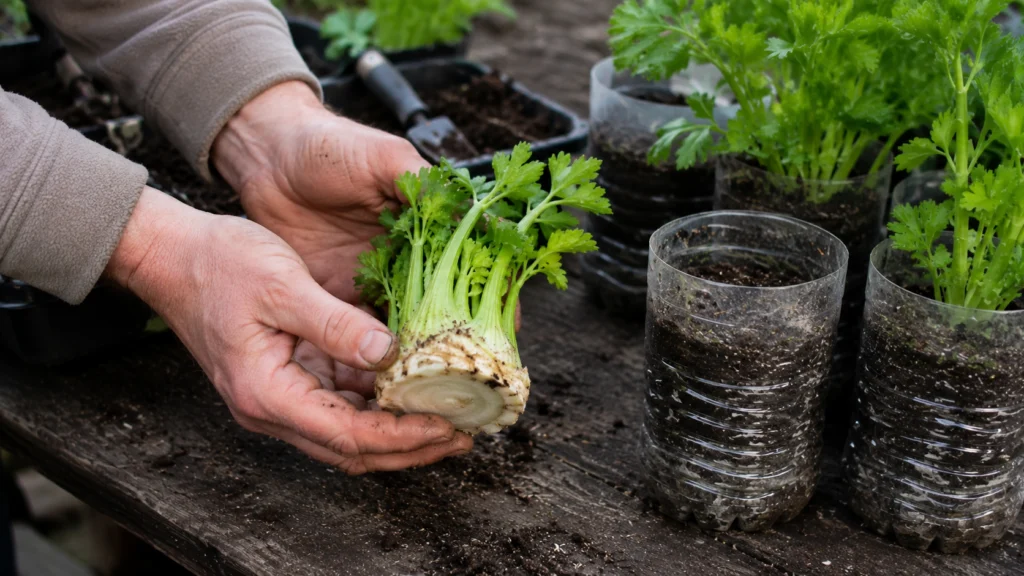
After cooking dinner, simply cut off the base about 2 inches tall.
That’s the magic piece.
How to Start Regrowing Celery
This is the easiest part.
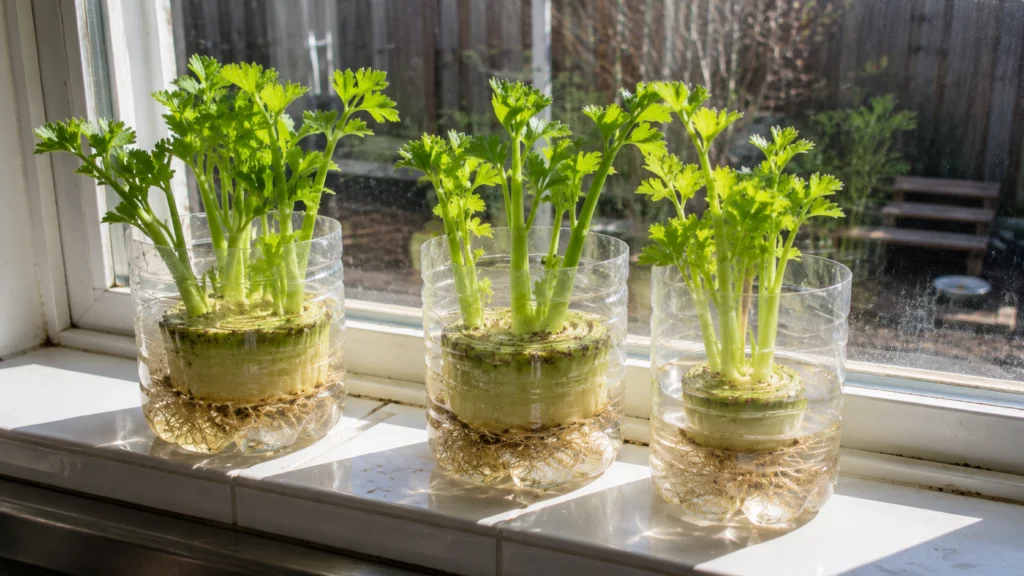
Step 1: Place the Celery Base in Water
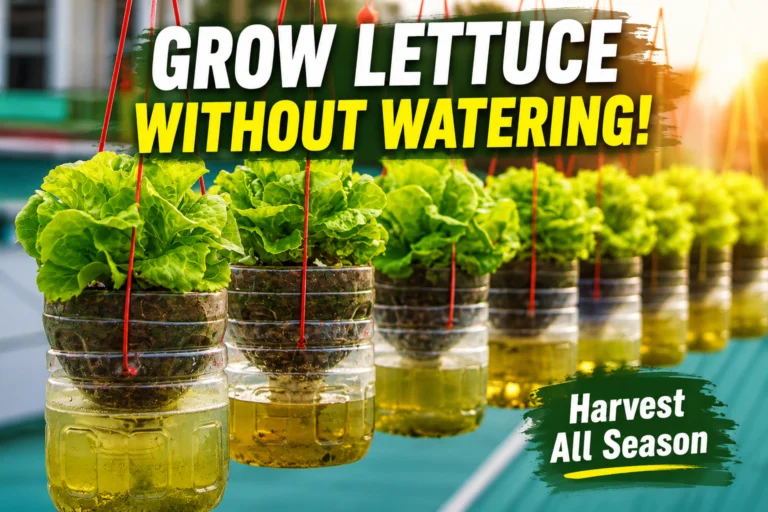
Put the celery base into a shallow bowl or directly into the bottom of a cut plastic bottle.
Add about half an inch of water.
Then place it somewhere bright.
Not blazing hot sun.
Just gentle natural light.
Within several days, you’ll usually notice tiny leaves forming in the center.
That first bright green growth always feels weirdly exciting.
Step 2: Refresh the Water
Change the water every couple of days.
If the water gets cloudy, the base can rot quickly.
I usually keep mine near the kitchen window above the sink so I remember to refresh it while making coffee.
Step 3: Wait for Roots
After about 1–2 weeks, small roots begin forming underneath.
Once roots appear and new growth reaches a couple inches tall, it’s ready for soil.
Transferring Celery Into Soil
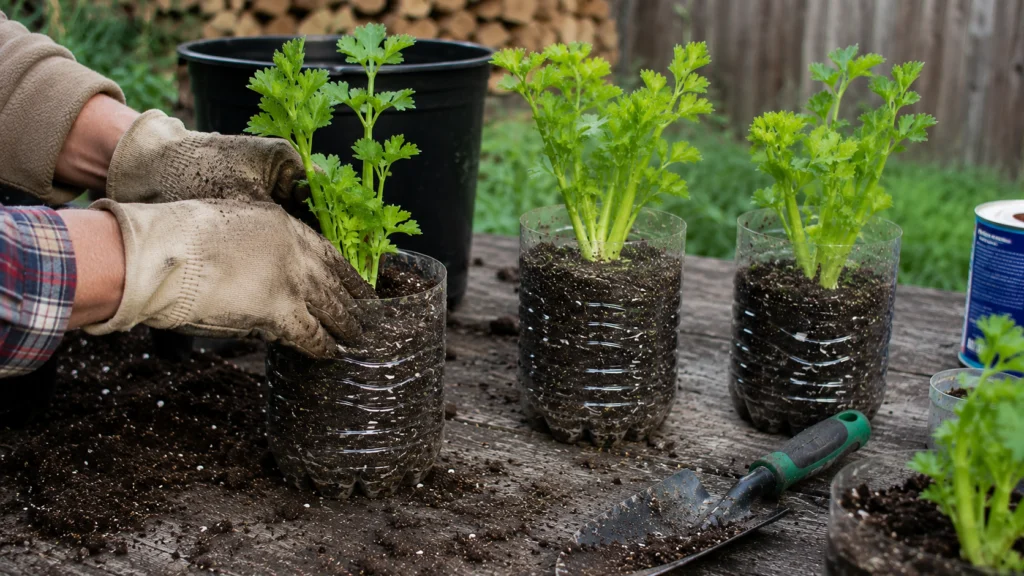
Once the roots develop, move the celery into prepared bottles with potting soil.
I like using lightweight vegetable mix with compost blended in.
Celery loves rich, moisture-holding soil.
How Deep to Plant
Keep the leafy center above the soil line.
Only bury the rooted bottom portion.
Press the soil gently around the base without compacting it too tightly.
Then water thoroughly.
Best Spot for Bottle Celery
Celery grows best with:
- morning sunlight
- afternoon shade in hot climates
- steady moisture
- mild temperatures
In my backyard, celery grows happiest near the east fence where it gets soft early sun and filtered afternoon light.
Hot afternoon heat can make the stalks bitter pretty quickly.
Caring for Bottle-Grown Celery
Celery isn’t difficult.
It’s just thirsty.
That’s really the secret.
Water Consistently
Bottle containers dry faster than raised beds.
Check moisture daily during warm weather.
I usually stick a finger into the soil every morning while watering herbs.
If the top inch feels dry, water deeply.
Feed Occasionally
Every few weeks, I add diluted liquid fertilizer or compost tea.
Celery responds fast to feeding.
The leaves become darker and fuller almost overnight.
Harvest Slowly
Instead of pulling the whole plant, harvest outer stalks first.
The center keeps producing new growth.
Fresh backyard celery honestly tastes stronger and greener than grocery store celery.
Especially in soups.
Common Mistakes to Avoid
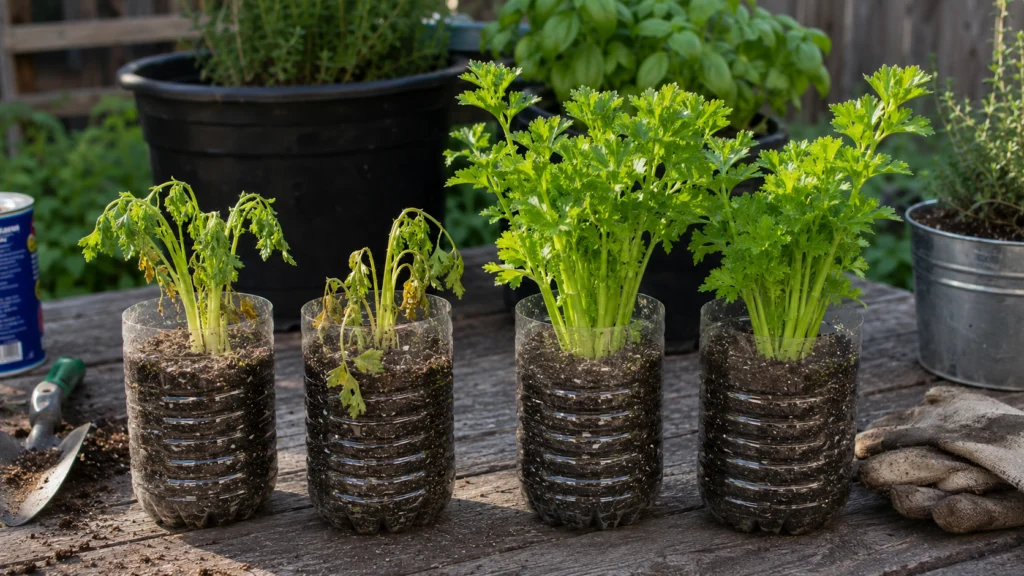
Overwatering Without Drainage
This is the biggest issue.
Celery likes moisture — not soggy roots.
Always add drainage holes.
Too Much Harsh Sun
Strong summer afternoon sun can scorch young celery quickly.
Filtered light works much better.
Forgetting to Refresh Water Early On
Before planting in soil, stale water can lead to rot surprisingly fast.
Fresh water makes a huge difference.
Using Tiny Bottles
Small bottles dry out too fast.
Slightly larger bottles hold moisture more evenly.
Why I Actually Love This Method
I think part of why I keep doing this is because it slows me down a little.
There’s something satisfying about growing food from what would normally end up in the trash.
And celery regrows surprisingly fast, which makes it encouraging for beginners.
It also turns into one of those little conversation pieces when friends visit the backyard.
People always ask:
“Wait… that grew from a bottle?”
Honestly, that’s half the fun.
FAQ
Can celery really regrow from scraps?
Yes. The base of celery naturally produces new leaves and roots when placed in water and later transferred to soil.
How long does celery take to regrow?
You’ll usually see new center growth within 5–7 days and roots within 1–2 weeks.
Do I need full sun for celery?
No. Celery actually prefers gentler sunlight and cooler temperatures.
Can I grow celery indoors?
Yes, especially near a bright window with indirect light.
What size bottle works best?
Medium-sized plastic bottles work better than very small ones because they hold moisture more evenly.
About Sophia
Hi, I’m Sophia — a backyard gardening enthusiast who loves simple container projects, cottage-style flowers, seasonal living, and finding easy ways to make outdoor spaces feel more personal and lived-in.
Most of my gardening experiments happen right outside my kitchen door, usually with muddy gloves and way too many seed packets nearby.
Thanks for spending part of your day here at Sophia Grows.